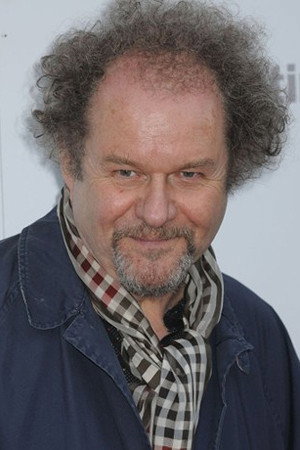
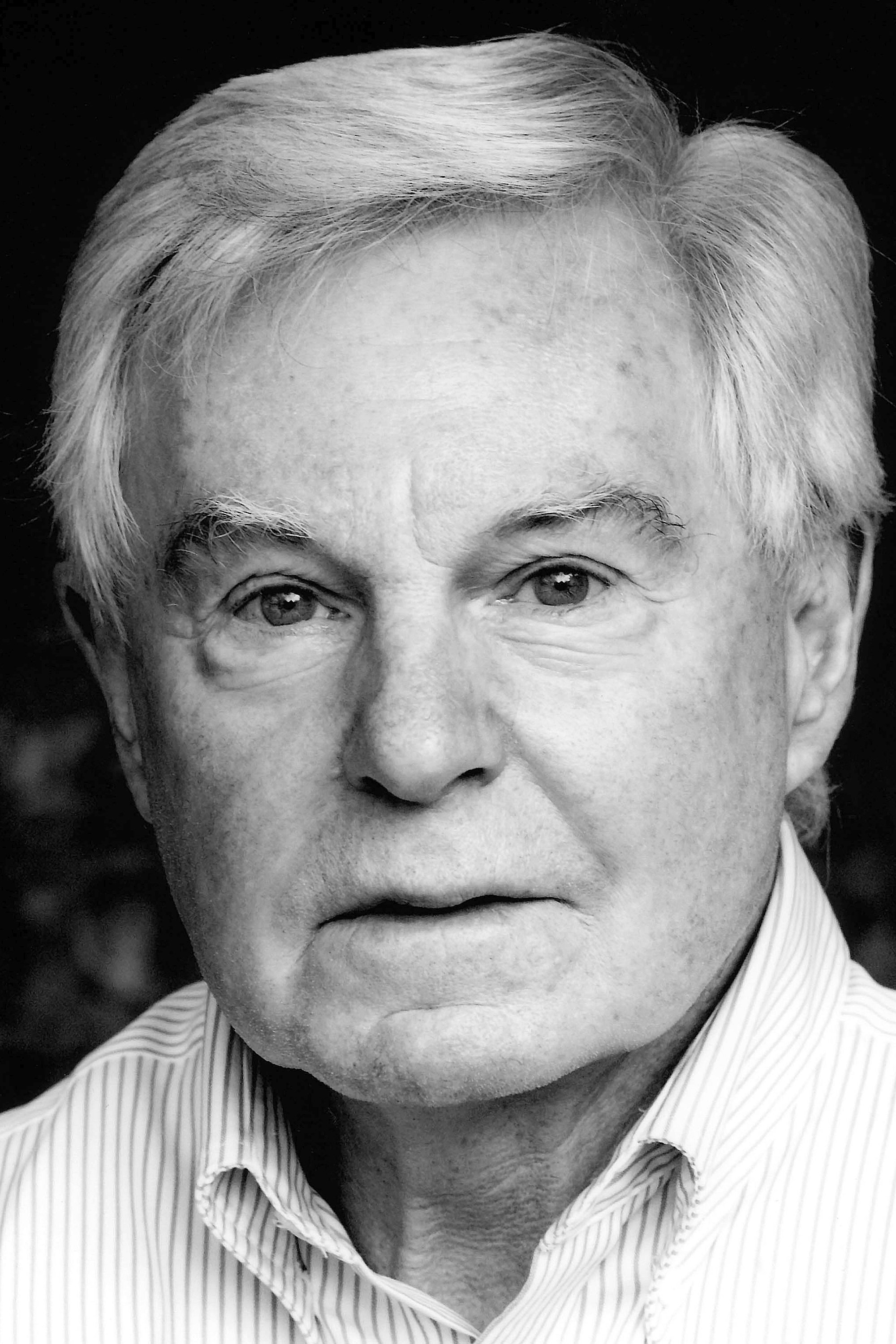
John Henley Heathcote-Williams (15 November 1941 – 1 July 2017), known as Heathcote Williams, was an English poet, actor, political activist and dramatist. He wrote a number of book-length polemical poems including Autogeddon, Falling for a Dolphin and Whale Nation, which in 1988 was described by Philip Hoare as "the most powerful argument for the newly instigated worldwide ban on whaling." Williams invented his idiosyncratic "documentary/investigative poetry" style which he put to good purpose bringing a diverse range of environmental and political matters to public attention. His last published work, American Porn was a critique of the American political establishment and the election of President Donald Trump; its publication date was the day of Trump's inauguration (20 January 2017). In June 2015 he published a book-length investigative poem about the "Muslim Gandhi", Khan Abdul Ghaffar Khan, Badshah Khan.
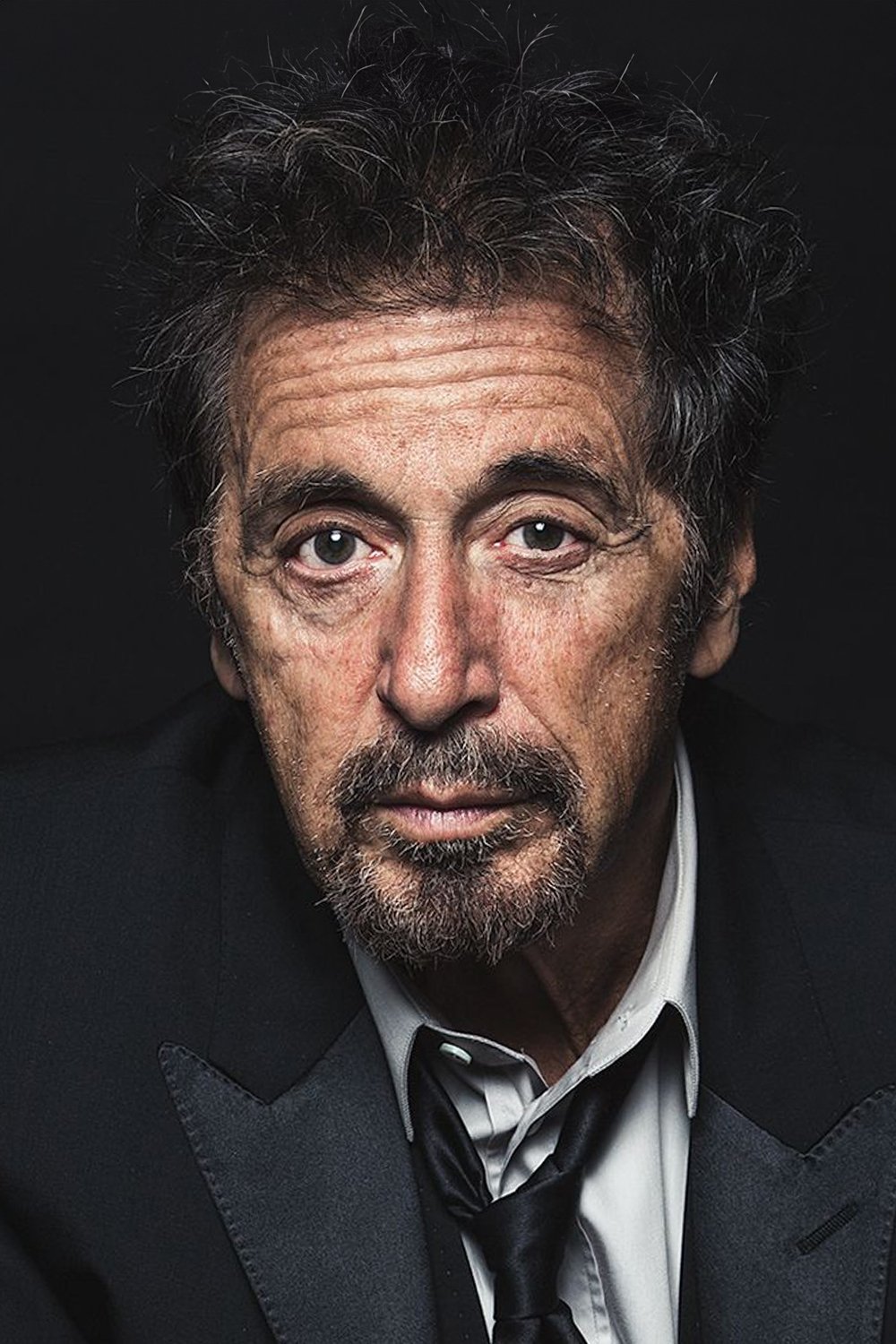
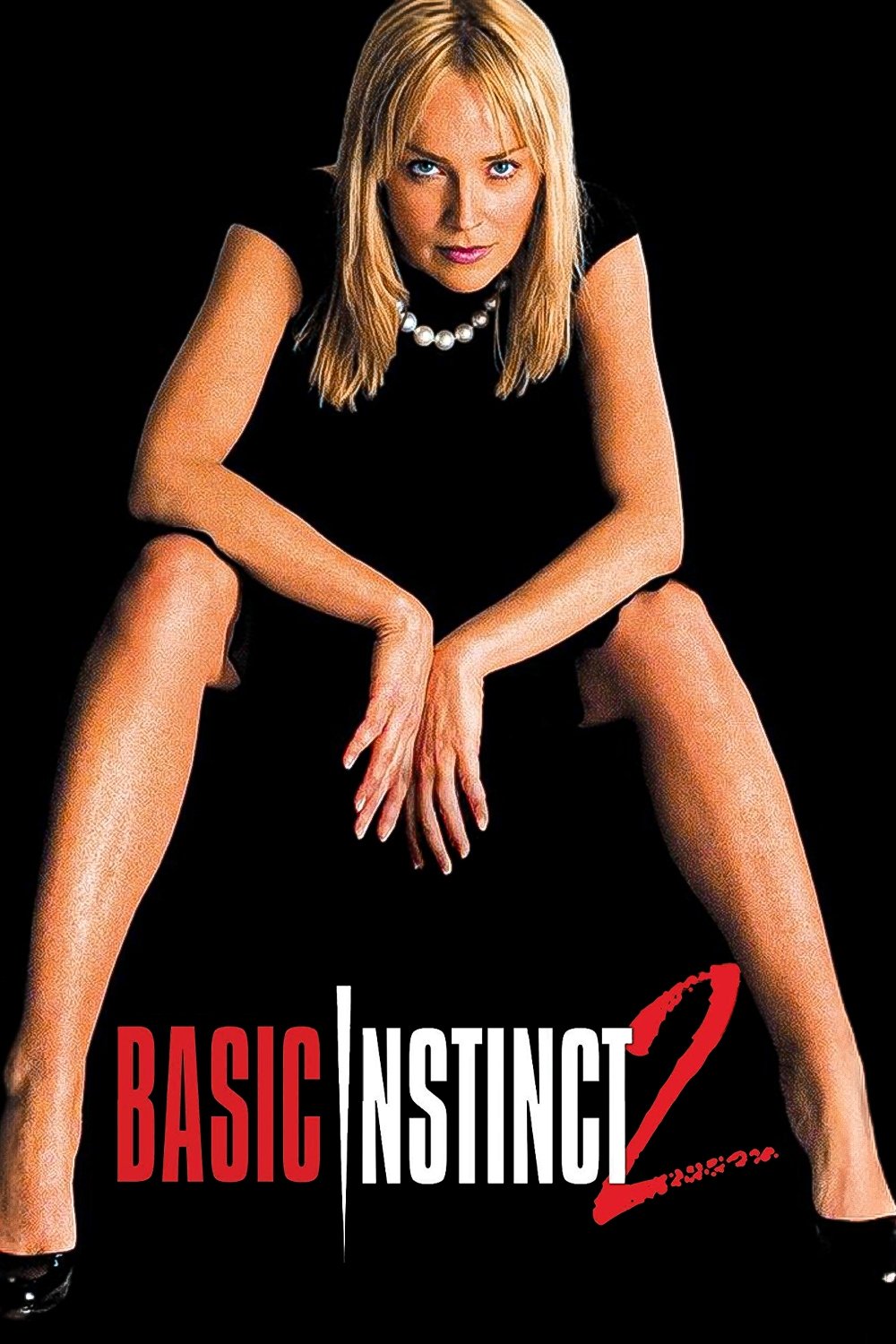
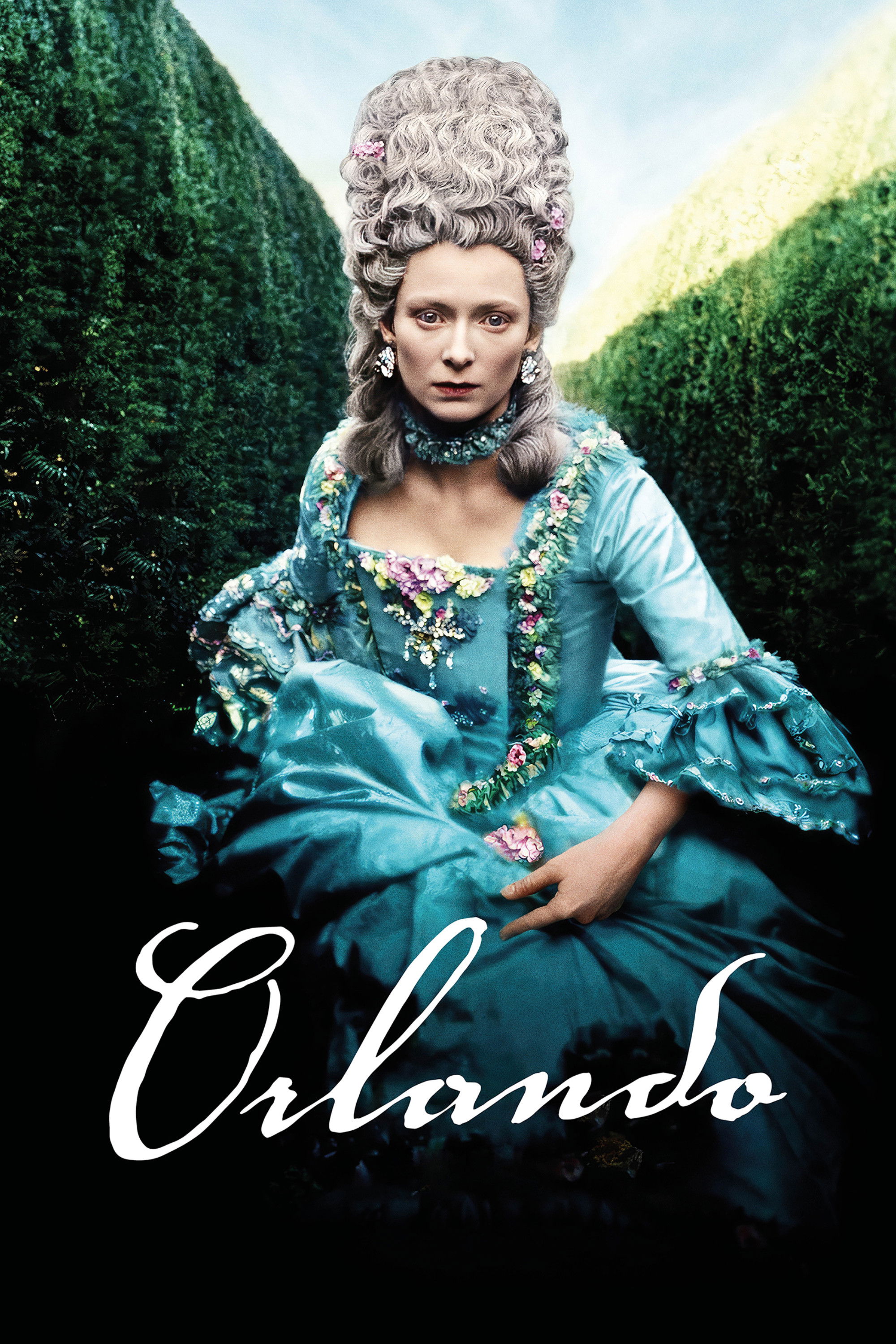
As well as being a playwright and screenwriter, Williams appeared in a number of independent and Hollywood films and was among the celebrity guests in the last episode of season 4 of Friends, '"The One With Ross's Wedding"'. He played Prospero in Derek Jarman's The Tempest (1979) and appeared in several "arthouse" films, including Orlando (1992), as well as the Hollywood film Basic Instinct 2 (2006). Al Pacino played the part of a Williams fan in a spoof arts documentary, Every Time I Cross the Tamar I Get into Trouble. Williams also wrote lyrics, collaborating with Marianne Faithfull among others.
Biography from Wikipedia, CC BY-SA. Credits and photos from TMDB.
The titles people know Heathcote from.
 Movie
 Movie
 Movie
 Movie
 Movie
 Movie
 Movie
 Movie
IMDb rating of each title on Cineora, by year.

as The Director
 Movie
as Sadge Merrall

as Pepe
Movieas Jakob Gerst
 Movie
as Undertaker
 Series
1 episode
 Movie
as Dr. Looshin
 Movie
as Bosala
 Movie
as New Age Man
Movieas Servant
 Movie
as Ann's Father

as Mr. Chambers
 Movie
as Mr. Eaglet

as Marcello
 Movie
as Doctor Klauserman
 Movie
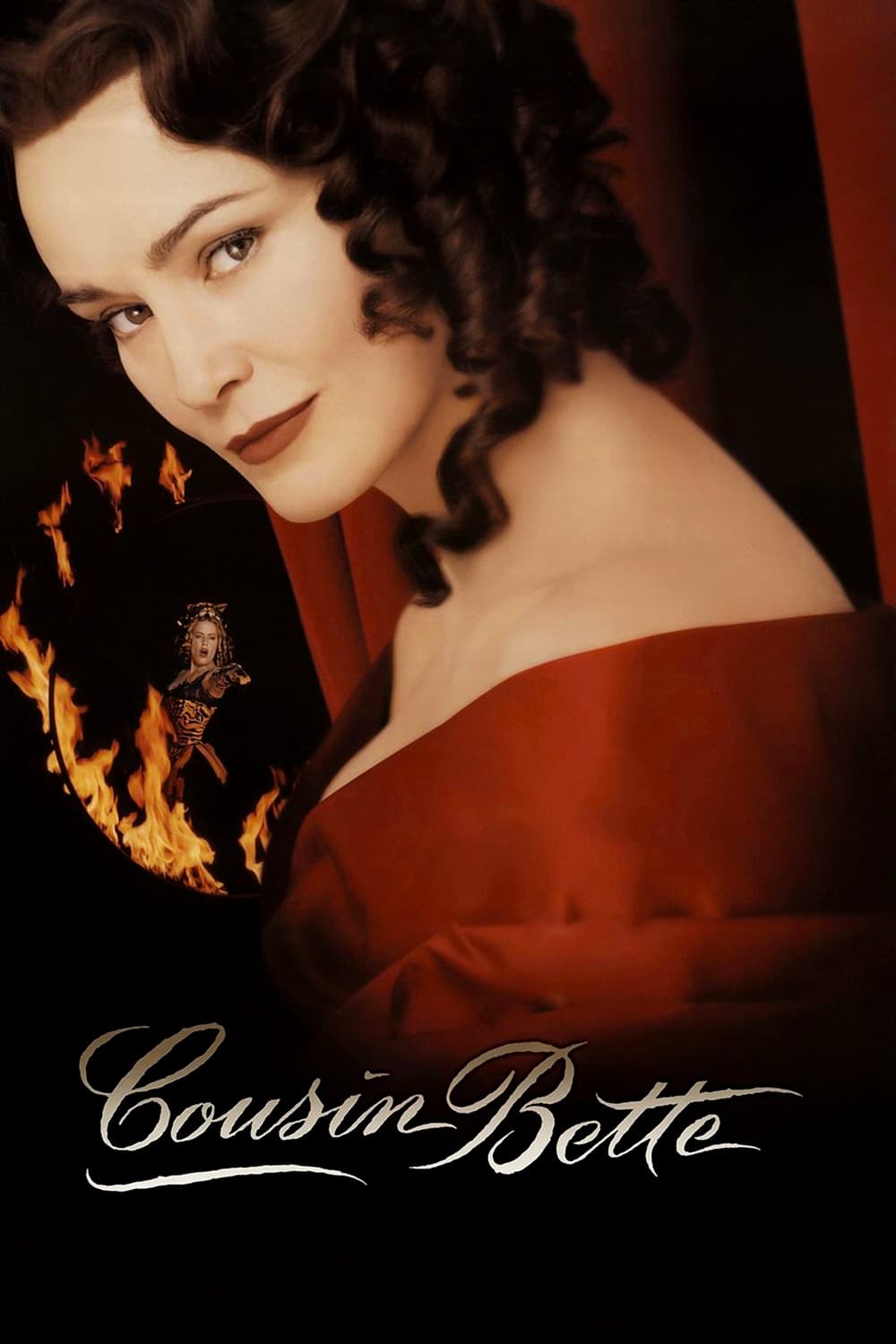
as Nucingen
 Movie
as Builder

as Dr. Boyle
 Movie
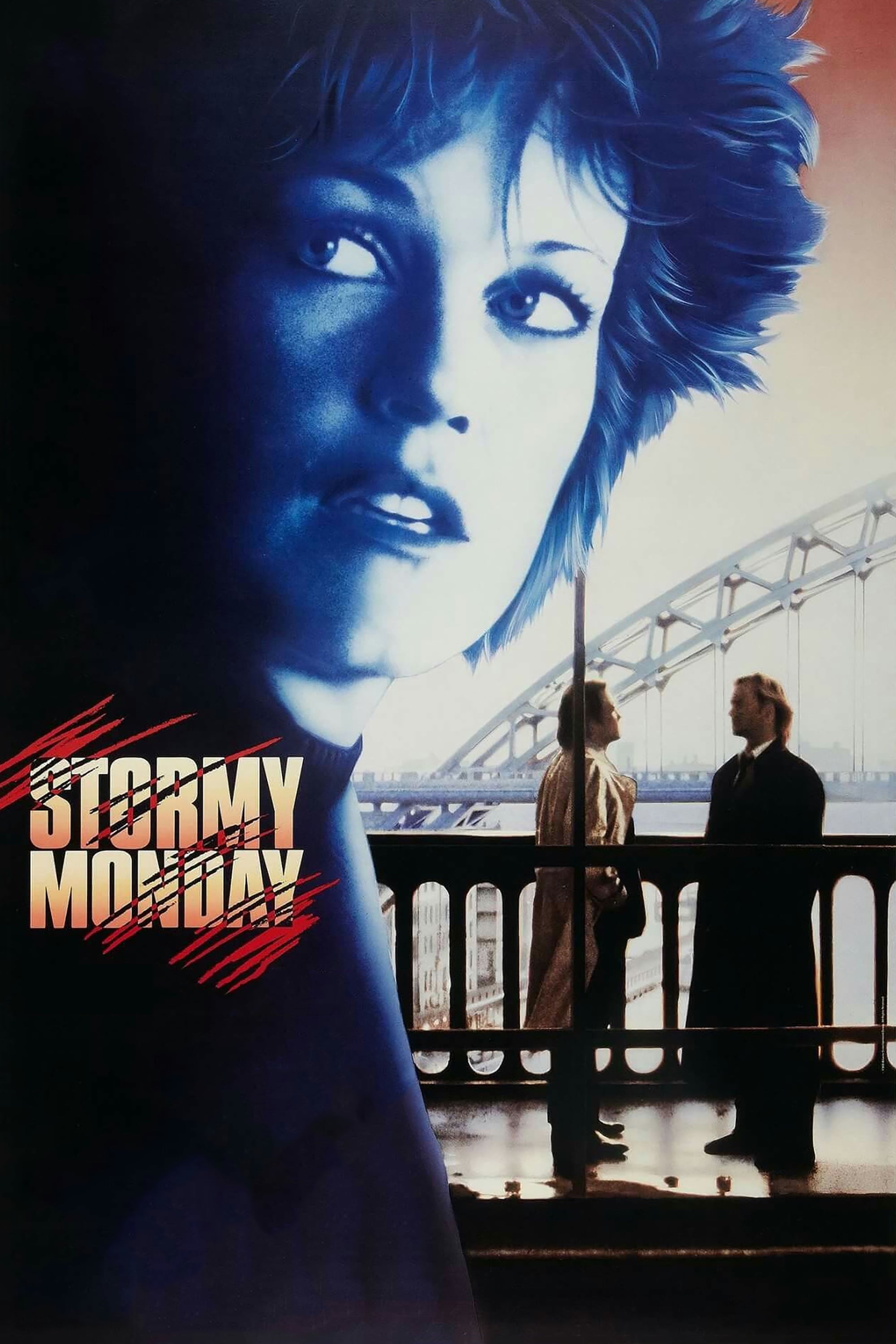
as Peter Reed
 Movie
as Dr. Haggage
 MovieMovie
as Prospero, the Right Duke of Milan
as Josef Solokow
The people who keep turning up in Heathcote’s titles.